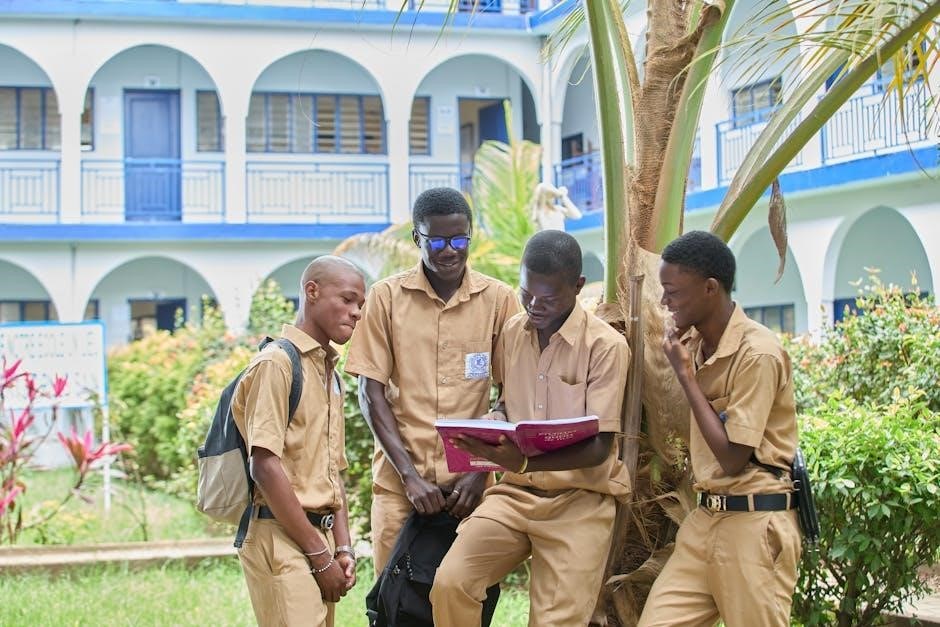
Icebreakers for high school students, often available as a convenient PDF, are crucial tools for fostering connection and easing initial anxieties within a classroom setting.
These activities help students discover shared interests, build rapport, and establish a supportive learning environment, especially beneficial during the first day or when integrating new classmates.
Utilizing structured icebreakers reduces inhibitions and promotes awareness, creating a more welcoming atmosphere where students feel comfortable participating and engaging with one another.
Furthermore, the increasing interest in supporting ICE with applications demonstrates a societal focus on community and shared responsibility, mirroring the goals of classroom icebreakers.
Why Use Icebreakers in High School?
Icebreakers are fundamentally important in high school settings because they actively dismantle the initial barriers of unfamiliarity and apprehension that students often experience. Utilizing a PDF format for readily available activities streamlines implementation, ensuring a smooth transition into collaborative learning.
These activities aren’t merely “fun and games”; they are strategic interventions designed to cultivate a positive classroom dynamic. They encourage students to step outside their comfort zones, fostering a sense of psychological safety where participation feels less risky.
Furthermore, icebreakers promote essential social skills – communication, active listening, and empathy – skills vital for academic success and future interpersonal relationships. The surge in applications to support ICE highlights a desire for community engagement, a parallel to the community-building aspect of icebreakers.
By intentionally creating opportunities for connection, educators can establish a foundation of trust and respect, ultimately enhancing the learning experience for all students.
The Importance of a Positive Classroom Environment
A positive classroom environment is paramount for effective learning, and icebreakers – often conveniently accessed as a PDF resource – play a crucial role in establishing this atmosphere. When students feel safe, respected, and connected, they are more likely to engage actively in their education.
These activities help to reduce inhibitions, allowing students to express themselves freely and take intellectual risks. A supportive environment fosters collaboration, encouraging peer-to-peer learning and a sense of shared responsibility.
The recent increase in applications to assist ICE demonstrates a community desire for safety and collaboration, mirroring the goals of a positive classroom. Icebreakers actively contribute to this by building trust and rapport among students.
Ultimately, a positive classroom isn’t just about comfort; it’s about maximizing learning potential by creating a space where every student feels valued and empowered to succeed.

Types of Icebreaker Activities
Icebreaker activities, often found as downloadable PDFs, range from quick, five-minute games to more involved team-building exercises and engaging conversation starters.
Creative options further diversify choices.
Quick & Easy Icebreakers (5-10 minutes)
Quick and easy icebreakers, readily available as PDF resources, are ideal for initiating interaction without consuming significant class time. These activities are perfect for the first day or when a quick energy boost is needed.
Simple prompts like “Share your favorite weekend activity” or “What’s one word to describe your summer?” encourage brief, low-pressure responses. “Two Truths and a Lie” is a classic, requiring minimal preparation and fostering quick thinking.
These short activities help students learn basic facts about each other, reducing initial awkwardness and building a foundation for further connection. Utilizing a pre-made PDF ensures a smooth and efficient implementation, allowing educators to focus on facilitating interaction rather than crafting prompts.
Remember, the goal is to create a comfortable atmosphere where students feel safe sharing, even small details, with their peers.
Team-Building Icebreakers
Team-building icebreakers, often found in convenient PDF formats, are designed to promote collaboration and communication amongst high school students. These activities move beyond simple introductions, encouraging students to work together towards a common goal.
The “Marshmallow Challenge,” where teams build the tallest freestanding structure with limited materials, is a popular example. Other options include human knots, where students untangle themselves while holding hands, or collaborative storytelling exercises.
These icebreakers emphasize problem-solving, shared responsibility, and the value of diverse perspectives. A well-chosen PDF resource will provide clear instructions and facilitate smooth implementation. They are particularly useful for establishing a positive classroom dynamic and preparing students for group projects.
Ultimately, these activities aim to build trust and a sense of community within the classroom.
Conversation Starter Icebreakers
Conversation starter icebreakers, readily available as downloadable PDFs, are excellent for encouraging high school students to interact and learn about each other’s interests and perspectives. These activities focus on prompting discussion rather than requiring complex tasks.
“Would You Rather?” questions, presented in a PDF format for easy access, are a classic example, sparking lively debates and revealing personality traits. Similarly, “Common Ground” asks students to identify shared interests, fostering a sense of connection.
These icebreakers are particularly effective for breaking down initial barriers and creating a more relaxed classroom atmosphere. They require minimal preparation and can be adapted to suit various class sizes and time constraints.
The goal is to initiate meaningful conversations and help students discover commonalities, building a foundation for positive relationships.
Creative & Engaging Icebreakers
Creative and engaging icebreakers, often found as downloadable PDF resources, move beyond simple introductions to stimulate imagination and collaboration among high school students. The Marshmallow Challenge, a popular example, tasks teams with building the tallest freestanding structure using limited materials.
This activity encourages problem-solving, communication, and teamwork. Other options include collaborative storytelling, where students build a narrative one sentence at a time, or creating a class “time capsule” filled with predictions and aspirations.
These icebreakers are designed to be fun and memorable, fostering a positive classroom dynamic. Utilizing a PDF format ensures easy implementation and consistent instructions.

They also provide opportunities for students to showcase their creativity and build confidence, moving beyond basic conversation starters to more immersive experiences.

Specific Icebreaker Games & Activities
Numerous icebreaker games, readily available as PDF guides, include “Two Truths and a Lie,” “Human Bingo,” and “Would You Rather?” for high school engagement.
Two Truths and a Lie
Two Truths and a Lie is a classic icebreaker, often found in high school icebreaker PDF resources, perfect for quick student interaction. Each student shares three “facts” about themselves – two true statements and one fabricated lie.
The group then attempts to discern which statement is the falsehood. This activity encourages active listening, critical thinking, and a playful exploration of personal details. It’s an excellent way to uncover surprising facts about classmates and build a sense of camaraderie.
The simplicity of the game makes it easily adaptable for various class sizes and time constraints. Printable PDF versions often include prompts or guidelines to help students formulate their statements. Facilitators should emphasize a supportive atmosphere where students feel comfortable sharing and guessing.
This game breaks the ice by prompting students to reveal information about themselves in a low-pressure environment, fostering a more connected classroom dynamic.
Human Bingo
Human Bingo, a popular icebreaker frequently included in high school icebreaker PDF collections, transforms getting-to-know-you into a fun, interactive game. Students receive bingo cards with squares like “Has traveled to another country” or “Plays a musical instrument.”
They mingle and find classmates who fit the descriptions, having them sign the corresponding square. The first to achieve bingo – a line, column, or diagonal – wins. This activity encourages students to actively engage with peers and discover shared experiences.
Pre-made PDF bingo cards are readily available, simplifying preparation. Facilitators should emphasize respectful interaction and ensure all students participate. It’s a dynamic way to break down barriers and foster a sense of community.
Human Bingo promotes active listening and encourages students to learn unique facts about their classmates in a lively and engaging manner.
Would You Rather?
Would You Rather? is a classic icebreaker often found within high school icebreaker PDF resources, sparking lively debate and revealing student preferences. The facilitator poses thought-provoking “Would you rather…” questions, forcing students to choose between two often-challenging options.
Examples include “Would you rather have the ability to fly or be invisible?” or “Would you rather live without music or movies?” Students share their choices and explain their reasoning, fostering discussion and revealing personality traits.
This activity requires minimal preparation and can be easily adapted to suit different age groups and interests. PDFs often provide pre-written question lists, saving time.
It’s a fantastic way to encourage critical thinking, communication, and a bit of playful competition, helping students connect on a more personal level.
Common Ground
Common Ground is a valuable icebreaker activity, frequently included in high school icebreaker PDFs, designed to help students identify shared interests and experiences. The activity encourages students to mingle and discover similarities with their peers, fostering a sense of community.
Typically, students are given a list of prompts – hobbies, favorite foods, travel destinations, etc. – and tasked with finding classmates who share those interests. Variations involve creating a grid to record names alongside matching criteria.
This icebreaker promotes interaction, active listening, and positive communication. It’s particularly effective for the first day of school or when introducing new students, helping them quickly integrate into the classroom.
PDF resources often provide customizable prompt lists, allowing teachers to tailor the activity to their students’ specific context and interests.
Find Someone Who…
“Find Someone Who…” is a classic icebreaker, readily available in numerous high school icebreaker PDFs, that encourages students to interact and learn unique facts about their classmates. Students receive a worksheet with prompts like “Find someone who has traveled to another country” or “Find someone who plays a musical instrument.”
The goal is to circulate around the room, asking questions to locate peers who fit the descriptions and have them sign the corresponding space on the worksheet. This activity promotes mingling, communication skills, and active listening.
PDF versions often include pre-written prompts, but teachers can easily customize them to align with curriculum themes or student interests. It’s a versatile icebreaker suitable for various class sizes and age groups.
The activity’s success lies in its simplicity and ability to quickly break down barriers, fostering a more connected classroom environment.
The Marshmallow Challenge
The “Marshmallow Challenge” is a surprisingly effective team-building icebreaker, often detailed in high school icebreaker PDF resources, that emphasizes collaboration and problem-solving. Teams receive a limited supply of materials – typically spaghetti, tape, string, and a marshmallow – and are tasked with building the tallest freestanding structure with the marshmallow on top.
This activity isn’t about engineering prowess; it’s about prototyping, iterative design, and effective communication. Teams quickly learn to test assumptions, adapt to failures, and leverage each member’s strengths.
Many PDF guides provide detailed instructions and debriefing questions to facilitate discussion about teamwork, leadership, and the importance of experimentation. It’s a fun, engaging way to highlight the value of a supportive classroom dynamic.
The challenge fosters creativity and demonstrates that even seemingly simple tasks require strategic planning and collaboration.

Icebreakers Focused on Getting to Know Each Other
Icebreakers, often found in high school PDF guides, prioritize student connection by encouraging sharing and discovering commonalities, building a welcoming classroom.
“My Name Is…” Icebreaker
The “My Name Is…” icebreaker, readily available in many high school icebreaker PDF resources, is a classic and effective way to help students learn each other’s names in a fun and memorable manner.
Instead of simply stating their name, each student shares their name followed by an adjective that describes them, starting with the same letter as their first name. For example, “Marvelous Michael” or “Joyful Jessica.”
This activity encourages creativity and self-expression while simultaneously aiding in name recall. It’s particularly useful on the first day of school or when welcoming new students to the class. The simplicity of this icebreaker makes it easily adaptable for both in-person and online learning environments.
Facilitators should participate as well to model vulnerability and create a more inclusive atmosphere. This simple yet powerful activity quickly breaks the ice and fosters a sense of community.
Personal Strengths Icebreaker
The Personal Strengths Icebreaker, often found within comprehensive high school icebreaker PDF collections, shifts the focus from basic introductions to recognizing and celebrating individual talents.
Students are prompted to identify one or two of their personal strengths – skills or qualities they excel at – and share them with the class. This isn’t about boasting, but about acknowledging positive attributes.
This activity builds self-esteem and encourages a positive classroom dynamic where students appreciate each other’s unique contributions. It can be adapted by having students write their strengths anonymously and then guessing who they belong to, fostering further interaction.
Facilitators can emphasize that everyone possesses strengths, and recognizing them is vital for collaboration and success. This icebreaker promotes a supportive environment and encourages students to value diversity.
“If I Were…” Icebreaker
The “If I Were…” Icebreaker, readily available in many high school icebreaker PDF resources, sparks creativity and reveals students’ personalities in a fun, low-pressure way.
Students complete the prompt, “If I were…,” with a variety of options – an animal, a historical figure, a fictional character, or even an object. They then share their choice and explain why they identified with it.
This activity encourages imaginative thinking and provides insights into students’ values, interests, and self-perception. It’s a fantastic way to uncover hidden passions and create a more engaging classroom atmosphere.

Facilitators can encourage elaborate explanations, prompting students to connect their chosen “if I were” to their personal strengths or aspirations. This fosters deeper self-reflection and peer understanding.

Icebreakers for Specific Classroom Needs
Icebreaker PDF resources offer tailored activities for unique situations, like the first day, welcoming new students, or adapting to online learning environments.
These focused icebreakers address specific challenges and promote inclusivity, ensuring every student feels comfortable and connected within the classroom dynamic.
Icebreakers for the First Day of School
Icebreakers are exceptionally valuable on the first day of high school, easing anxieties and fostering a welcoming atmosphere, often conveniently found as a downloadable PDF.
Activities like “Two Truths and a Lie” or a simple “Name Game” encourage initial interaction without pressure, allowing students to learn basic facts about their peers.
A “Find Someone Who…” PDF worksheet can be particularly effective, prompting students to mingle and discover common interests, breaking the ice quickly.
Consider a quick “Common Ground” activity, where students identify shared hobbies or experiences, building immediate connections.
Remember, the goal is to create a supportive environment where students feel comfortable participating and engaging, setting a positive tone for the year.
Avoid overly complex or embarrassing activities; simplicity and inclusivity are key for a successful first-day icebreaker experience.
These initial interactions lay the foundation for a collaborative and respectful classroom community throughout the academic year.
Icebreakers for New Students
Welcoming new students requires intentional effort, and icebreakers – often available as a readily accessible PDF – are invaluable tools for integration.
Focus on activities that encourage inclusion and minimize feelings of isolation, such as a “Personal Strengths” icebreaker where students share their talents.
A modified “Human Bingo” game, tailored to welcome newcomers, can prompt classmates to learn about the new student’s background and interests.
Consider a “Common Ground” activity specifically designed to highlight shared interests between the new student and existing classmates.
Providing a “My Name Is…” icebreaker allows the new student to creatively introduce themselves, fostering a positive first impression.
Ensure activities are low-pressure and avoid requiring extensive prior knowledge of the school or community.
The goal is to make the new student feel valued, accepted, and quickly integrated into the classroom dynamic.
Icebreakers for Online Classes
Adapting icebreakers for virtual high school classrooms, often found as convenient PDF resources, requires creativity to overcome the lack of physical presence.
Utilize chat-based activities like “Two Truths and a Lie,” encouraging students to guess each other’s statements in the chat window.
Employ online polling tools for “Would You Rather?” questions, instantly displaying results and sparking discussion.
A digital “Find Someone Who…” can be adapted using a shared document where students type names under relevant criteria.
Breakout rooms are ideal for smaller group conversations based on prompts from a pre-prepared icebreaker PDF.
Encourage students to share a virtual background representing a hobby or interest, initiating conversation.
Remember to keep online icebreakers concise and engaging, mindful of potential screen fatigue and technical difficulties.

Resources for Icebreaker Worksheets & PDFs
Numerous online platforms offer free icebreaker worksheets and PDFs specifically designed for high school students, aiding educators in fostering classroom connection.
Finding Printable Icebreaker Worksheets
Finding readily available, printable icebreaker worksheets for high school students is surprisingly easy with a wealth of online resources. A simple web search using keywords like “high school icebreaker worksheets PDF” will yield numerous options from educational websites, teacher blogs, and resource platforms.
Websites like Teachers Pay Teachers often host a variety of icebreaker activities, some free and others available for a small fee, offering diverse themes and formats. Many school districts also provide access to curated collections of classroom resources, including icebreaker materials, through their internal portals.
Pinterest is another excellent source, visually showcasing various icebreaker ideas and linking to downloadable PDFs. Remember to preview any worksheet before use to ensure it aligns with your classroom’s age appropriateness and learning objectives, fostering a positive and engaging environment.
Creating Your Own Icebreaker PDF
Creating your own icebreaker PDF allows for complete customization to suit your high school students’ specific needs and interests. Start by outlining the activity’s purpose and desired outcomes – what connections do you want students to make? Utilize word processing software like Microsoft Word or Google Docs to design the worksheet, incorporating clear instructions and engaging visuals.
Consider including sections for student responses, prompts for discussion, or spaces for creative expression. Once designed, easily convert the document to a PDF format for easy sharing and printing. Tools like Adobe Acrobat or online PDF converters are readily available.
Tailoring icebreakers ensures relevance and maximizes student engagement, fostering a more inclusive and welcoming classroom atmosphere. Remember to test the activity beforehand to refine instructions and anticipate potential challenges, ensuring a smooth and productive experience.
Considerations When Choosing Icebreakers
Selecting appropriate icebreakers, even in PDF format, requires careful thought regarding age, time limits, and existing classroom dynamics for optimal student engagement.
Age Appropriateness
Selecting icebreakers suitable for high school students, often found as downloadable PDFs, demands a keen understanding of adolescent development and sensitivities;
Activities perceived as childish or overly simplistic can lead to disengagement and even embarrassment, hindering the intended goal of fostering connection.
Conversely, icebreakers that delve into overly personal or complex topics may be inappropriate or create discomfort for students who are still developing their social boundaries.
Consider activities that encourage self-expression and interaction without being overly intrusive or demanding.
PDF resources often categorize icebreakers by age group, providing a helpful starting point for selection.
Prioritize activities that promote respectful communication and allow students to share at a comfortable pace, ensuring a positive and inclusive experience for everyone.
Remember, the goal is to build rapport, not to create awkwardness or pressure.
Time Constraints
Effective implementation of icebreakers, readily available as PDF resources, necessitates careful consideration of classroom time limitations.
High school class periods are often structured with specific learning objectives, leaving limited space for extended activities.
Choosing an icebreaker that aligns with the available timeframe is crucial to avoid disrupting the lesson plan or feeling rushed.
Quick, 5-10 minute activities are ideal for brief introductions or transitions, while more involved team-building exercises may require a dedicated block of time.

PDF guides frequently indicate the estimated duration of each icebreaker, aiding in informed selection.
Be prepared to adapt or modify activities if time runs short, focusing on the core elements that promote connection and engagement.
Prioritize quality over quantity, ensuring a meaningful experience within the allotted timeframe.
Classroom Dynamics
Selecting appropriate icebreakers, often found as convenient PDF downloads, requires a keen awareness of existing classroom dynamics.
Consider the students’ pre-existing relationships, personality types, and comfort levels with social interaction.
A highly energetic activity might overwhelm shy students, while a more subdued icebreaker could bore those eager to participate.
Assess the overall classroom climate – is it generally supportive and collaborative, or more reserved and competitive?
PDF resources sometimes offer suggestions for adapting activities to suit different group personalities.
Be mindful of potential sensitivities or triggers, avoiding topics that could be divisive or uncomfortable.
Facilitate a safe and inclusive environment where all students feel valued and respected, regardless of their participation level.
Observe and adjust as needed, ensuring the icebreaker enhances, rather than hinders, the learning experience.