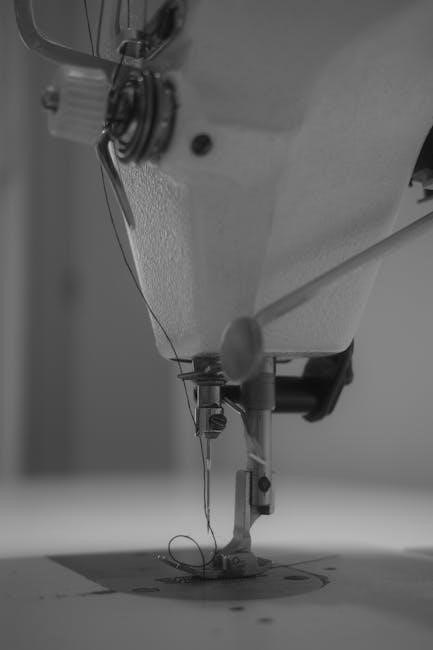
Singer 328K Sewing Machine Manual: A Comprehensive Guide
Dive into this service manual, exploring the Singer 328K’s features and functions with essential operating instructions for a seamless sewing experience.
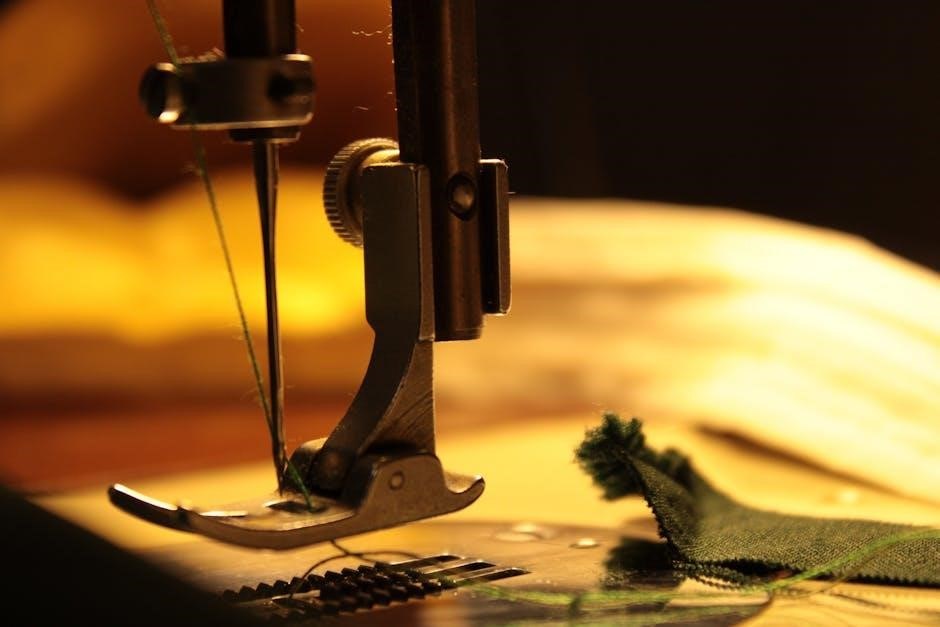
The Singer 328K is a robust and reliable sewing machine, celebrated for its durability and straightforward mechanics. This machine, a cornerstone for many seamstresses and tailors, offers a blend of simplicity and capability, making it ideal for both beginners and experienced users. This manual serves as your comprehensive guide to understanding, operating, and maintaining this classic machine.
We will delve into its various components, threading procedures, and essential sewing techniques. Furthermore, we’ll address common issues and provide solutions, ensuring your 328K continues to deliver years of dependable service. Prepare to unlock the full potential of your Singer 328K!
Historical Context of the 328K Model
The Singer 328K emerged as a prominent model during a period of significant growth for the Singer Manufacturing Company. Introduced to cater to a diverse market, it quickly gained popularity for its dependable performance and relatively simple design. Production spanned several decades, adapting slightly over time to meet evolving consumer needs.

This machine represents a pivotal era in home sewing, offering a step up in functionality from earlier models. Its robust construction and readily available parts contributed to its longevity, making it a cherished possession for generations of sewers.
Key Features and Specifications
The Singer 328K boasts a robust, full-size metal construction, ensuring durability and stability during operation. It’s a versatile machine capable of straight and zigzag stitching, accommodating a variety of fabrics. Key specifications include a maximum stitch length of 5mm and a maximum zigzag width of 7mm.
The machine operates with a horizontal rotating hook system, known for its smooth and reliable stitch formation. It features adjustable stitch length and width controls, providing flexibility for diverse sewing projects. Its overall design prioritizes user-friendliness and consistent performance.
Identifying Parts of the 328K
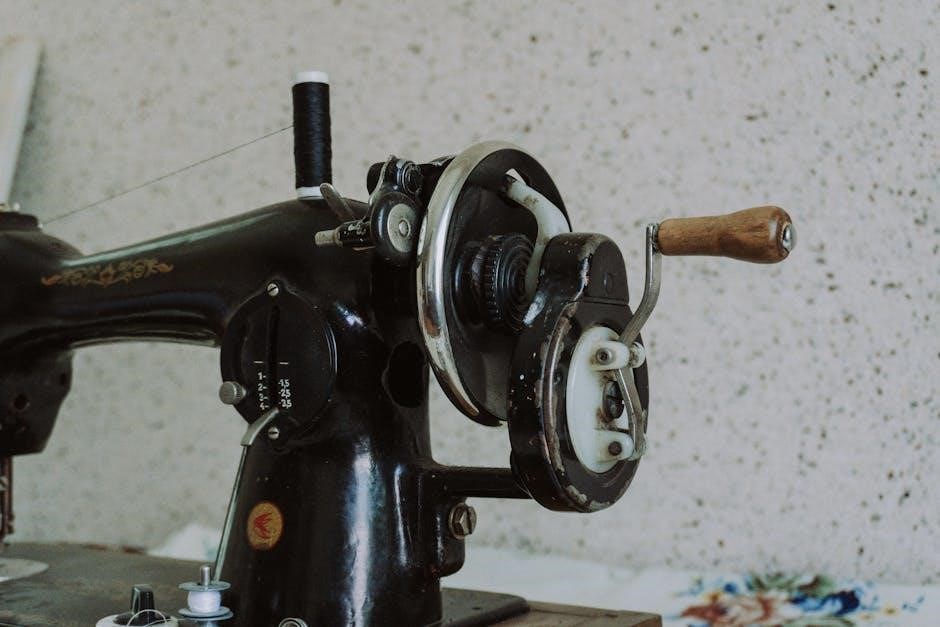
Familiarizing yourself with the Singer 328K’s components is crucial for operation and maintenance. Key parts include the faceplate, protecting internal mechanisms, and the handwheel, controlling stitch formation. The bobbin winder efficiently prepares bobbins for lower threading.
Essential controls are the stitch length and width dials, adjusting stitch parameters. The presser foot secures fabric, while the feed dogs advance material. Understanding these parts – and their interplay – will empower you to effectively utilize and care for your 328K sewing machine.
The Faceplate and Handwheel
The Singer 328K’s faceplate provides crucial protection for the delicate internal mechanisms, preventing dust and debris from interfering with operation. It’s a sturdy cover, easily removable for maintenance. The handwheel, located on the right side, is your primary control for manual stitch formation.
Rotating the handwheel advances the needle, allowing precise stitch placement. Consistent, smooth rotation ensures even stitching. Always turn the wheel towards you; never backwards, to avoid damaging internal components. Understanding these two elements is fundamental to operating the 328K.

Bobbin Winding Mechanism
The Singer 328K features a reliable bobbin winding system, essential for consistent stitch quality. This mechanism typically involves placing the bobbin on a spindle, engaging a lever, and running the machine briefly to wind the thread evenly. Proper tension is crucial during winding; too loose results in uneven stitches, while too tight can cause breakage.
Ensure the thread guides are correctly positioned to prevent tangling. Regularly check the bobbin for consistent winding and replace it when nearly empty to maintain optimal sewing performance. A well-wound bobbin is key to smooth operation.
Stitch Length and Width Controls
The Singer 328K offers adjustable stitch length and width, providing versatility for various sewing projects. Stitch length is typically controlled by a dial or lever, allowing you to select shorter stitches for delicate fabrics and longer stitches for heavier materials. Width control, usually a separate dial, adjusts the zigzag stitch’s breadth.
Experiment with different settings to achieve desired results. Incorrect settings can lead to puckering or loose seams. Understanding these controls unlocks the machine’s full potential for creative and functional sewing.
Threading the Singer 328K
Correct threading is crucial for the Singer 328K’s proper operation. This process involves two distinct paths: upper threading and lower threading (bobbin). The upper thread guides from the spool, through tension discs, a take-up lever, and finally, the needle. Precise following of the threading path, often illustrated on the machine itself, is essential.
Improper threading causes skipped stitches or tension issues. The lower thread, wound onto the bobbin, requires careful insertion into the bobbin case. A well-threaded machine ensures smooth, consistent stitching.
Upper Threading Procedure
Begin with the spool pin, ensuring the spool rotates freely. Guide the thread through the upper tension discs, confirming it seats firmly between them. Next, lead the thread down and around the take-up lever, then back up and through the thread guide. Finally, thread the needle from front to back.
Always raise the presser foot during threading; this opens the tension discs. Double-check that the thread is securely seated in all guides for optimal performance and to prevent issues during sewing.
Lower Threading (Bobbin) Procedure
First, ensure the bobbin is wound correctly and placed in the bobbin case. Insert the bobbin case into the bobbin carrier, making sure it clicks securely into place. Then, guide the bobbin thread through the tension spring on the bobbin case.
Finally, draw up the bobbin thread by gently holding the upper thread and turning the handwheel towards you. Confirm the bobbin thread is caught by the presser foot before beginning to sew, ensuring proper stitch formation.
Basic Sewing Operations
The Singer 328K excels at fundamental sewing tasks. Begin by selecting your desired stitch – straight or zigzag – using the stitch selector. Adjust stitch length and width according to your fabric and project needs. Always test your settings on a scrap piece of material first.
Maintain a consistent sewing speed and guide the fabric gently; avoid pulling or pushing. Remember to raise the presser foot when pivoting the fabric for accurate corners and curves.
Straight Stitching Techniques
Mastering the straight stitch is foundational for many projects. Ensure your fabric is aligned with the guide markings on the needle plate for a consistent seam allowance. A steady, moderate speed yields the cleanest results.
For longer seams, maintain a consistent rhythm and avoid abrupt starts or stops. Practice guiding the fabric smoothly, letting the machine feed it through. Backstitch at the beginning and end of each seam to secure the stitches and prevent unraveling.
Zigzag Stitching Applications
The zigzag stitch offers versatility beyond basic seams. Utilize it for finishing raw edges, preventing fabric fraying and creating a professional look. Adjust stitch width for varying degrees of coverage and decorative effects.
Zigzag is ideal for stretch fabrics, allowing the seam to expand with the material. Employ it for applique, securing fabric pieces with a neat, durable edge. Experiment with different widths and lengths to achieve unique textures and embellishments on your sewing projects.
Troubleshooting Common Issues
Encountering problems? This section addresses frequent issues with your Singer 328K. Consistent maintenance minimizes these occurrences, but occasional hiccups are normal. Begin by re-threading both the upper and lower threads, ensuring proper tension. Check the needle for damage or incorrect installation – a bent needle causes significant problems.
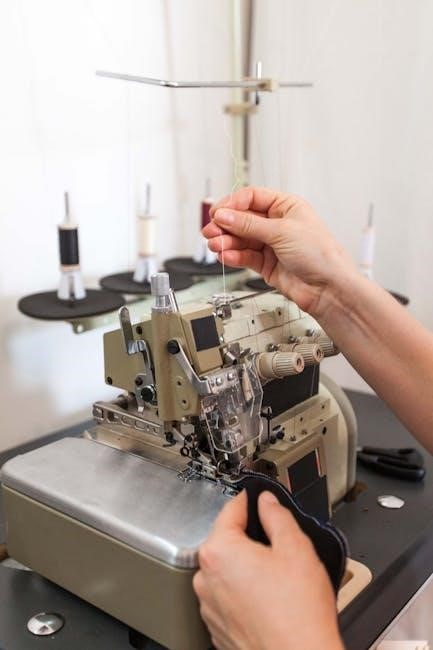
Verify the bobbin is correctly inserted and wound evenly. If issues persist, consult the specific solutions detailed in the following sections covering thread breakage and skipped stitches for targeted assistance.
Thread Breakage Problems
Frequent thread breakage is frustrating, but often easily resolved. First, ensure you’re using the correct thread type and size for your fabric. Incorrect thread causes strain. Re-thread the machine completely, paying close attention to the thread path and tension discs – a misaligned thread can snap.
Inspect the needle for burrs or bends; replace if necessary. Finally, verify the bobbin is wound evenly and inserted correctly. If breakage continues, slightly loosen the upper tension dial and test again.
Skipped Stitch Solutions
Skipped stitches indicate a problem with needle positioning or timing. Begin by ensuring the needle is correctly inserted – it should be fully pushed up into the needle clamp. Verify you’re using the appropriate needle type and size for your fabric weight; a dull or damaged needle will cause skips.
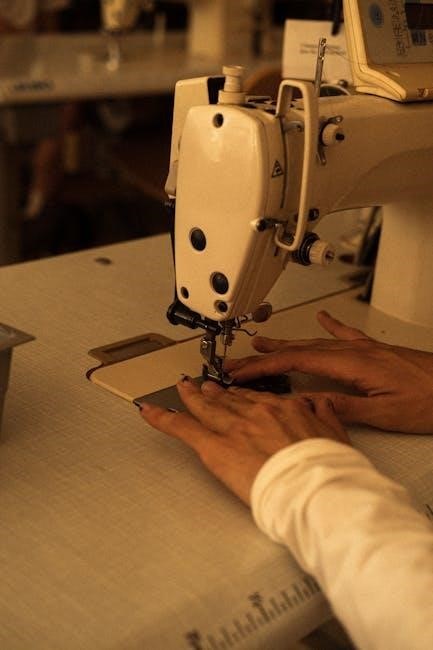
Check the timing belt for slippage or wear. Also, re-thread both the upper and lower threads, confirming proper tension. If issues persist, a professional servicing might be required to adjust the machine’s internal timing.
Maintenance and Cleaning
Regular maintenance ensures your Singer 328K operates smoothly for years. Dust and lint buildup significantly impact performance, so frequent cleaning is crucial. Use a soft brush to remove debris from the bobbin area and feed dogs. Avoid compressed air, as it can push dust deeper inside.
Periodically oil key lubrication points – consult the dedicated Oiling and Lubrication Guide for specifics. A clean and well-oiled machine minimizes friction and prevents premature wear, extending its lifespan and maintaining stitch quality.
Oiling and Lubrication Guide
Proper lubrication is vital for the Singer 328K’s longevity; Apply a few drops of sewing machine oil to the bobbin case, hook assembly, and all moving parts identified in the manual’s diagrams. Focus on areas with visible friction.
Avoid over-oiling, as excess oil attracts lint. Use a light, high-quality sewing machine oil specifically designed for this purpose. Regularly wipe away any excess oil with a clean cloth. Consistent, careful oiling ensures smooth operation and prevents wear and tear on internal components.
Belt Replacement Instructions
A broken belt halts your Singer 328K’s operation; replacement is straightforward. First, disconnect the power. Remove the motor cover and carefully detach the old belt from both the motor pulley and the handwheel.
Ensure the new belt is the correct size – consult the parts list. Loop the new belt around the motor pulley, then stretch it over the handwheel. Reattach the motor cover, ensuring the belt remains properly aligned. Test the machine to confirm smooth operation before resuming sewing.
Advanced Techniques & Accessories
Unlock the full potential of your Singer 328K with specialized techniques and accessories. Explore diverse presser feet – a zipper foot for precise applications, a buttonhole foot for professional results, and a rolled hem foot for delicate edges.
Experiment with decorative stitching options, adding unique flair to your projects. Mastering these enhancements expands your creative possibilities. Remember to consult accessory guides for proper usage and optimal performance, elevating your sewing experience.
Using Different Presser Feet
Expand your sewing capabilities with the Singer 328K’s versatile presser feet. A zipper foot allows for close-stitch applications along zipper teeth, ensuring professional results. The buttonhole foot simplifies creating perfectly sized buttonholes, saving time and effort.
Utilize a rolled hem foot for delicate fabric edges, creating a beautiful, finished look. Always ensure the correct foot is securely attached before beginning a new technique. Proper foot selection dramatically improves stitch quality and project outcomes;
Decorative Stitching Options
The Singer 328K unlocks a world of creative possibilities with its decorative stitch options. Experiment with various zigzag patterns to add unique embellishments to garments and home décor projects. Utilize these stitches for decorative seams, appliqué, and creating textured effects on fabric.
Adjust stitch width and length to customize the appearance of each design. Practice on scrap fabric to perfect tension and achieve desired results. Explore combining different decorative stitches for truly personalized creations, enhancing your sewing artistry.
Finding Replacement Parts
Maintaining your Singer 328K often requires sourcing replacement parts over time. Fortunately, numerous online resources specialize in vintage sewing machine components. Websites dedicated to Singer parts offer a comprehensive catalog, allowing you to locate specific items using part numbers or detailed descriptions.
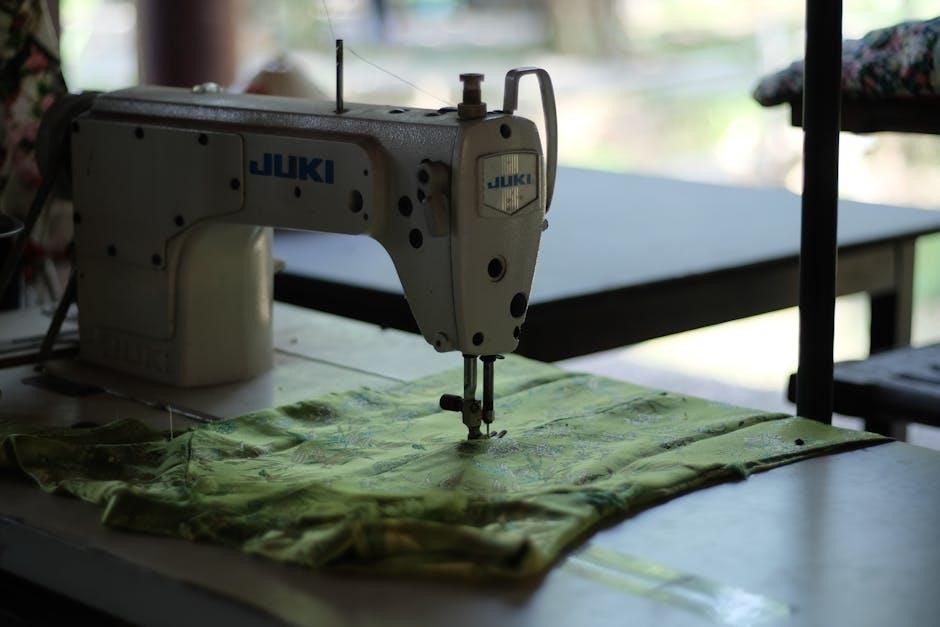
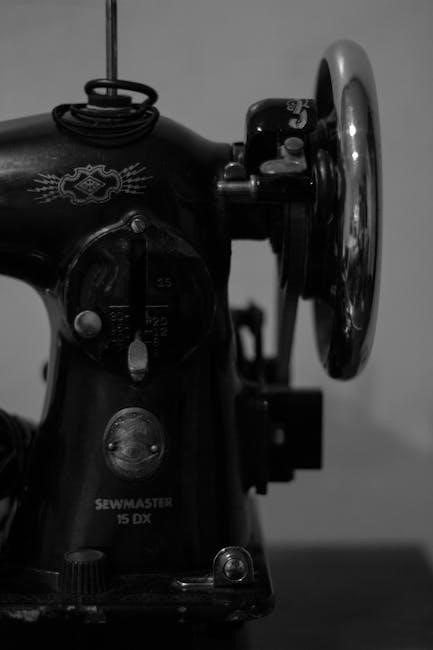
Accurate identification is crucial; consult your manual or online diagrams to determine the correct part number before ordering. Several sewing machine repair shops also stock parts or can assist with sourcing them. Prioritize reputable suppliers to ensure quality and compatibility.
Online Resources for Parts
Several online platforms specialize in vintage Singer sewing machine parts, offering convenient access to replacements for your 328K. Websites like SewingPartsOnline, eBay, and Etsy frequently list original and reproduction components. Dedicated Singer parts retailers often provide detailed diagrams and part number cross-references, simplifying the search process.
Online forums and communities dedicated to vintage sewing machines can also be invaluable resources. Members often share information about reliable suppliers and offer assistance with part identification. Always verify seller ratings and return policies before making a purchase.
Identifying Part Numbers
Accurate part numbers are crucial when ordering replacements for your Singer 328K. These numbers are typically stamped directly onto the parts themselves, though they can sometimes be faint or worn. The original Singer parts manuals are the best resource for identifying correct numbers, often detailing exploded diagrams.
If the part number is illegible, detailed photographs sent to online retailers or forum members can aid identification. Cross-referencing with parts lists available on sewing machine enthusiast websites is also helpful. Ensure compatibility before ordering, as slight variations exist.