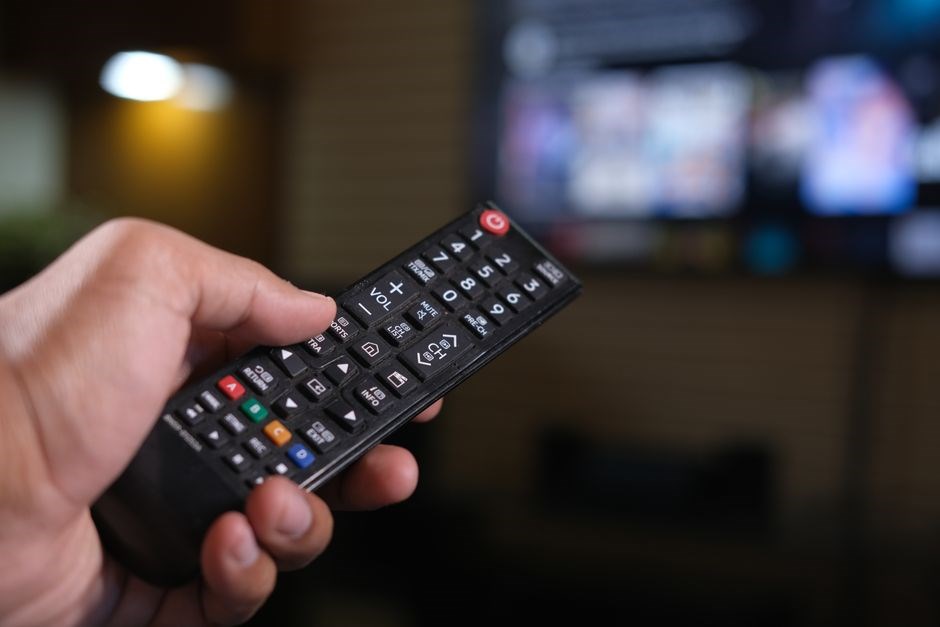
Fanimation remote controls ceiling fans with intuitive buttons. The handheld unit offers power‚ speed‚ and light functions‚ all operable via a simple interface. Follow the manual to learn each button’s purpose‚ ensuring seamless fan operation and comfort. Use the remote to adjust settings fast.
Purpose and Compatibility

The Fanimation remote control offers a wireless interface for DC‑powered ceiling fans‚ enabling users to manage power‚ speed‚ and lighting without wall switches. Its proprietary 433 MHz RF protocol ensures reliable communication‚ while the remote’s LED indicator provides visual feedback during pairing and normal operation. The remote requires a standard 3 V coin cell battery (CR2032)‚ and its low‑power consumption is achieved through a sleep mode that activates after 30 seconds of inactivity. Compatibility is limited to fans that support DC power input and include the integrated receiver module specified in the manufacturer’s documentation‚ ensuring the remote can be paired with existing units. To pair the remote‚ first turn the wall switch that controls the fan to the off position‚ then back on‚ and press the LEARN button for over eight seconds until the LED blinks twice. During the learning phase‚ the fan will run at medium speed‚ indicating that the remote has successfully taken control of the unit. The remote’s LED will remain solid once pairing is complete‚ and the unit can now be operated independently without the wall switch. If a user wishes to reset the remote‚ they can press the LEARN button again for eight seconds‚ which will erase the current pairing and allow a new fan to be programmed. The remote’s two‑year limited warranty covers manufacturing defects‚ and firmware updates are available online to maintain compatibility with newer fan models.
Remote Model Overview

The Fanimation TRD064F1M remote is a compact‚ ergonomic controller for DC ceiling fans. It features a single power button‚ three fan speed selectors (low‚ medium‚ high)‚ and two light controls (on/off and dimming). Powered by a CR2032 coin cell‚ it offers up to 24 months of battery life. A small LED indicator signals status: steady light means ready‚ blinking indicates learning mode‚ rapid flash signals error. Pairing requires turning the fan’s wall switch off‚ then on‚ and holding the LEARN button for over eight seconds until the LED blinks twice; the fan will spin at medium speed‚ confirming control. Firmware is up‑to‑date as of 2024‑12‑25‚ ensuring compatibility with the latest DC fan models. Resetting is done by holding LEARN for eight seconds‚ clearing current pairing. The remote measures 4.5″ long‚ 1.5″ wide‚ weighs 0.2 lb‚ and is CE‑certified‚ FCC Part 15 compliant. It is lightweight‚ matte finish‚ non‑slip grip‚ and features a recessed button layout to prevent accidental presses. The device is sold with a 2‑year limited warranty and a user‑friendly instruction booklet. For optimal performance‚ keep the remote within 30 ft of the fan and avoid metal objects that block RF. The TRD064F1M also supports dual‑remote configuration‚ allowing two remotes to control the same fan simultaneously. Use it for quick fan adjustments and lights.!
Power Management and Learning Mode
The remote’s power button toggles fan operation. To pair‚ first turn the wall switch off‚ then on‚ ensuring the fan is ready. Press and hold the LEARN button for over 8 seconds until the LED blinks twice; this signals learning mode and confirms the remote controls the fan. It works instantly.!
Turning Wall Switch Off/On Before Learning
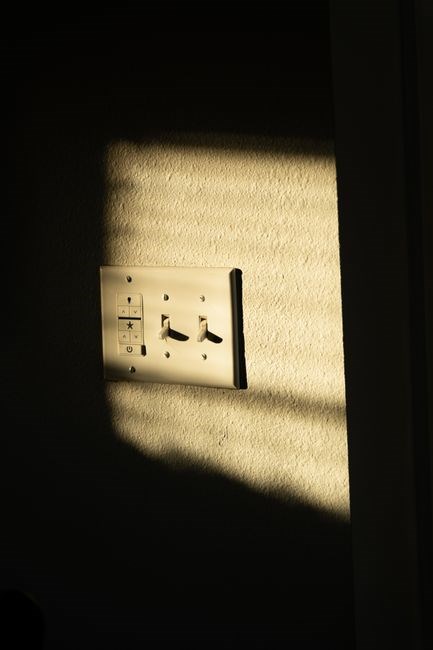
Before initiating the remote’s learning sequence‚ it is essential to reset the fan’s power state via the wall switch. This step ensures that the fan’s internal controller is in a known‚ neutral position‚ preventing any unintended signal interference. To perform the reset‚ locate the wall‑mounted switch that supplies power to the ceiling fan. Flip the switch to the OFF position and wait a brief moment—usually a few seconds—to allow the fan’s circuitry to fully power down. Next‚ flip the switch back to the ON position. This action re‑energizes the fan and signals the controller that a new remote is about to be paired. Only after confirming that the fan is running normally should you proceed to the remote’s learning mode. This precautionary measure is recommended by Fanimation’s official guidelines and is reflected in the manufacturer’s instruction manual. By following this procedure‚ you reduce the risk of mis‑pairing‚ ensure that the remote’s commands are correctly registered‚ and maintain optimal safety for both the fan and the user. Remember‚ the learning button should not be pressed until the wall switch has completed the off‑on cycle. Failure to do so may result in the remote not recognizing the fan or in the fan not responding to remote commands. Consistently applying this step will lead to a smooth pairing experience and reliable operation of the fan’s speed and lighting functions.functions.This off‑on reset clears any remote pairing data‚ enabling the new remote to connect cleanly!now.!
Pressing and Holding the LEARN Button
To engage learning mode‚ locate the LEARN button on the Fanimation remote. With the fan’s wall switch on‚ press and hold LEARN for at least eight seconds. The remote’s indicator light flashes; when it blinks twice‚ the fan automatically runs at medium speed‚ confirming the remote’s control. Use the fan’s speed buttons to set the desired level. Press LEARN again to lock the setting; the light stays solid‚ confirming the new speed. If the light fails to blink twice or the fan doesn’t reach medium speed‚ repeat the process. Successful pairing lets the remote adjust speed and light independently The remote’s LED steady pairing once now!
During the learning process‚ keep the remote within a few feet of the fan’s receiver to ensure a strong signal. Avoid placing metal objects or other electronic devices between the remote and the fan‚ as they can interfere with infrared transmission. If the fan’s light does not respond after the LEARN button is held‚ double‑check that the fan’s power is on and that no other remote is attempting to pair. A quick reset—turning the wall switch off for a few seconds and back on—can clear residual pairing data and allow the new remote to register correctly. Remember that the LEARN mode is temporary; once the remote locks the new settings‚ the fan will respond to the remote’s commands even when the wall switch is toggled. This procedure follows the manufacturer’s recommended steps.
Fan Speed Settings
Choose Low‚ Medium‚ or High. Press the speed button until the LED indicates the chosen level. During learning‚ the fan runs at medium speed to confirm pairing. Adjust after pairing for desired airflow.

Use the speed button to cycle levels; the LED flashes change.
Fan Speed Levels (Low‚ Medium‚ High)
Fanimation remote controls fan speed with three distinct levels: Low‚ Medium‚ and High. The remote’s speed button cycles through these settings‚ and the LED indicator flashes to confirm the current level. To set Low‚ press the button once until the LED shows a single blink; for Medium‚ press twice‚ and for High‚ press three times. Each press toggles the fan to the next speed tier. During the initial pairing process‚ the fan automatically runs at Medium speed for eight seconds to signal successful learning. After pairing‚ you can adjust the speed as needed. The Low setting delivers gentle airflow for quiet operation‚ Ideal for sleeping or when a subtle breeze is desired. Medium provides balanced airflow suitable for everyday use‚ while High offers maximum airflow for quick cooling. The remote’s ergonomic design allows easy thumb access to the speed button‚ and the LED feedback ensures you know the fan is responding. If the fan does not change speed‚ check that the remote’s battery is fresh and that the wall switch controlling the fan is in the ON position. For advanced users‚ some models allow customizing the speed sequence via a firmware update‚ but the default three‑tier system remains the most reliable for most households. For optimal performance‚ replace batteries every 12 months and keep the remote clean. If the fan still misbehaves‚ consult the manufacturer’s support page or contact customer service for firmware assistance. Keep the remote handy for changes tweaks!
Confirming Medium Speed During Learning
During the learning phase of a Fanimation remote‚ the fan automatically runs at medium speed for a brief period to signal that it has successfully paired with the unit. This confirmation step is critical because it ensures that the remote’s learning mode has been activated and that the fan’s firmware has registered the new controller. To verify that the medium speed confirmation is working‚ follow these steps: 1. Turn the wall switch that powers the fan to the OFF position‚ then back to ON. 2. Press and hold the LEARN button on the remote for at least eight seconds until the LED indicator blinks twice. 3. Observe the fan’s motor; it should spin at a steady medium pace for about eight to ten seconds. 4. If the fan does not reach medium speed‚ double‑check that the remote’s battery is fresh‚ the wall switch is on‚ and that no other remotes are interfering. 5. After the confirmation period‚ release the LEARN button and test the speed buttons to ensure they cycle through low‚ medium‚ and high as expected. 6. If the fan doesn’t return‚ reset the remote by pressing the reset pin for five seconds and repeat. 7. For advanced troubleshooting‚ consult the manufacturer’s support portal for firmware updates that may improve learning reliability. 8. Document the success of the learning process by noting the LED blink pattern and the fan’s speed display on the remote’s screen or on the fan’s built‑in LED. 9. Repeat the process if you need to pair a second remote; each remote must complete its own learning cycle. 10. Once the medium speed confirmation is verified‚ the remote is ready for everyday use‚ offering reliable control over fan speed‚ light‚ and power functions.
Light Control Features
Use the dedicated light button to toggle illumination. The remote offers dimming via the intensity knob‚ cycling through 25%‚ 50%‚ 75%‚ and 100% brightness. Press the light button once to turn on‚ twice to dim‚ and a long press to cycle levels. All user‑friendly.
Light On/Off Functionality
The Fanimation remote’s light button is the primary control for the fan’s integrated LED or incandescent lamp. Pressing the button once turns the light on; a second press turns it off. The remote’s LED indicator flashes green when the light is on and stays dark when it is off‚ giving a clear visual cue. This toggle is independent of fan speed‚ so you can adjust airflow without affecting illumination. The button is located near the top of the remote for easy access. For optimal use‚ keep the remote within arm’s reach and ensure the fan’s power switch is on before toggling. If the light does not respond‚ check that the bulb is correctly installed and that the fan’s power supply is stable. A simple press will restore normal operation. The remote also features a subtle LED that illuminates during night mode‚ helping locate the light function in low‑light conditions. Advanced users can pair the remote with a smart home hub to control the light via voice assistants. If the light fails‚ resetting the remote by holding the LEARN button for 10 seconds will re‑initialize the device and restore full functionality. All functions are battery‑powered. No wiring!
Light Intensity Adjustment
The Fanimation remote offers a dedicated dimming function that lets users fine‑tune the brightness of the fan’s light source. After turning the light on‚ press the “DIM” button to cycle through preset brightness levels. Each press increases the intensity by one step‚ moving from the lowest setting (often a soft glow) up to full brightness. The remote’s internal LED flashes in a pattern that corresponds to the current level‚ providing instant visual feedback. If the fan’s light is a LED module‚ the dimming is smooth and flicker‑free; for incandescent bulbs‚ the remote applies a pulse‑width modulation technique that reduces the filament temperature gradually‚ preventing harsh transitions. The user can also hold the DIM button for a brief moment to lock the selected level; releasing the button will maintain that intensity until the next adjustment. This feature is especially useful in living rooms or bedrooms where a gentle ambiance is preferred. The remote’s battery life remains unaffected by dimming‚ as the circuitry consumes minimal power. If the dimming function is unresponsive‚ ensure the fan’s power switch is on and the bulb is properly seated. For advanced users‚ pairing the remote with a compatible smart home hub allows voice‑controlled dimming‚ enabling dynamic lighting scenes without manual interaction. The light intensity adjustment is designed to be intuitive‚ requiring only a single button press to achieve the desired mood. The remote’s firmware supports up to eight distinct brightness levels‚ giving users granular control over their environment. Each level is calibrated to maintain color temperature consistency‚ ensuring that the light does not shift from warm to cool as it dims. Users can also calibrate the dimming range by using the factory reset function‚ which allows the remote to relearn the fan’s light controller settings. This is particularly helpful when upgrading to a higher‑wattage LED lamp that may require a different dimming curve. The dimming feature is fully compatible with the fan’s existing safety interlocks‚ meaning that the light can be dimmed even when the fan is in motion‚ without compromising motor performance. Finally‚ the remote’s ergonomic design places the dimming button within easy reach‚ reducing the need to fumble for the correct control in low‑light conditions. If the remote’s dimming function fails to respond‚ a quick reset—pressing and holding the LEARN button for 10 seconds—will restore the default settings and re‑establish communication with the fan’s light module. After resetting‚ re‑enter the learning mode and re‑pair the remote to ensure that the dimming levels are correctly mapped. All changes are reflected instantly‚ enhancing user control. Procedure is simple.!
Troubleshooting and Reset Procedures
Reset the remote by holding LEARN for 10 s‚ then re‑pair. If commands lag‚ turn the wall switch off/on before learning. For unresponsive lights‚ check bulb seating. Use the manual reset to restore defaults and resolve common glitches. Ensure batteries are fresh and firmware is up to date now.
Resetting the Remote Control
To reset the Fanimation remote‚ first ensure the fan’s wall switch is turned off. Insert fresh batteries‚ then press and hold the LEARN button for at least 10 seconds until the indicator light blinks twice. Release the button‚ wait for a brief pause‚ and then press the power button once to confirm the reset. The remote will now be in factory mode‚ ready for re‑pairing. If the remote still does not respond‚ repeat the process‚ making sure the wall switch is toggled off and on again before initiating the reset. For advanced troubleshooting‚ consult the troubleshooting section of the user manual or contact support. This procedure restores all settings to default and clears any stored pairing data.
To ensure a smooth reset‚ keep the remote within 10 cm of the fan during the procedure. After pressing LEARN‚ the indicator lights will flash once to confirm the reset mode. If the remote fails to respond‚ the fan may still be on but not controlled by the remote. The reset process can be repeated by holding the LEARN button for 8 seconds‚ but it is recommended to perform a full pairing after a reset. For firmware updates‚ connect the remote to the fan’s USB port using the supplied cable‚ then follow the on‑screen prompts. Always store the remote in a dry place to prevent moisture damage‚ as humidity can cause the remote to malfunction. If problems persist‚ consult the FAQ section or contact technical support for further assistance. Keep the remote close near fan.
Common Issues and Fixes
When the Fanimation remote fails to control the fan‚ first check the battery level and replace if needed. If the remote’s indicator light does not blink during the LEARN sequence‚ press and hold the LEARN button for at least 10 seconds; the light should flash twice‚ confirming pairing mode. If the fan still does not respond‚ toggle the wall switch off and on again‚ then repeat the LEARN procedure. A stuck button can be freed by gently tapping the button surface; ensure no debris is blocking the mechanism. If the fan runs at a constant medium speed regardless of button presses‚ the remote may have lost its pairing; perform a full reset by holding LEARN for 10 seconds‚ then re‑pair by following the pairing instructions. For light control issues‚ verify that the light switch on the fan is on; the remote will only toggle the light when the fan power is active. If the remote’s LED remains solid after pressing a function button‚ the remote’s firmware may be outdated; use the supplied USB cable to update via the fan’s firmware interface. Finally‚ if all steps fail‚ contact Fanimation support with the remote’s serial number for a replacement. This guide also covers scheduling‚ remote range adjustments‚ and power-saving modes. Including timers and energy use For help‚ consult the online FAQ guide.